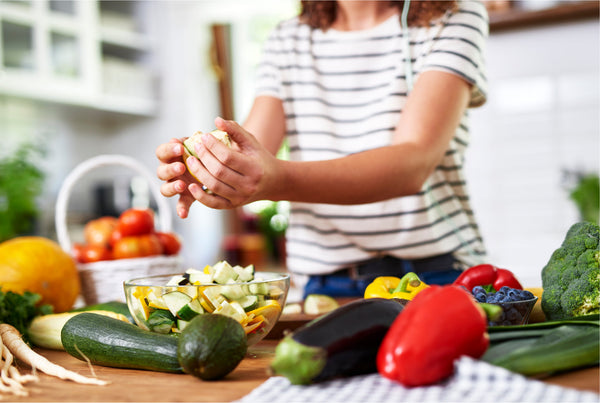
Fruits and vegetables are the foundation of a healthy, well-balanced diet. Because of their high nutritional value, it’s recommended you eat fruits and vegetables every day.
If you have a few favorites you enjoy on a regular basis, that’s a great start. But it’s not just the quantity that counts. It’s also important to eat a wide variety of fruits and vegetables to ensure your body gets all the vitamins, minerals, and nutrients it needs to maintain proper health.
This is why we advocate that when it comes to fruits and vegetables, you ‘eat the rainbow.’
The science behind eating the rainbow.
Fruits and vegetables get their bright colors from phytonutrients. These natural chemicals help protect plants from germs, fungi, bugs, and other threats.
These same phytonutrients are also beneficial to humans. They help support a healthy immune system, have antioxidant and anti-inflammatory properties, and can also reduce health risk factors.
The rainbow connection to good health.
Different colored fruits and vegetables contain different phytonutrients. Let’s take a look at the nutrients found in each color and their benefits:
Red
Phytonutrients:
Lycopene
Vegetables: red onions, beets, red cabbage, radish
Fruits: apples, raspberries, tomatoes, watermelon, grapefruit, red peppers, cherries, pomegranate
Orange and yellow
Phytonutrients:
Carotenoids (beta carotene, beta cryptothanxin)
Vegetables: carrots, sweet potatoes, squash, corn
Fruits: cantaloupe, mango, oranges, papaya, peaches, pineapple, pumpkin, yellow peppers
Green
Phytonutrients:
Chlorophyll, carotenoids, lutein, glucosinolates, sulforaphane, isothiocyanates, and indoles.
Vegetables: kale, spinach, artichoke, broccoli, green beans, collard greens, cabbage, lettuce, asparagus, peas, Brussels sprouts
Fruits: honeydew, apples, pears, grapes, lime, kiwifruit
Purple and blue
Phytonutrients:
Anthocyanins
Vegetables: cabbage, eggplant, cauliflower
Fruits: blueberries, blackberries, grapes, plums
White and brown
Phytonutrients:
Anthoxanthins, allicin, flavonoids, quercetin
Vegetables: cauliflower, garlic, leeks, onions, mushrooms, potatoes, chickpeas
Fruits: bananas, dates, coconuts
Tips to create a colorful plate for every meal.
It may seem like a daunting task to get the recommended amount of fruits and vegetables into your diet. But with proper planning and the right mindset, you can eat the rainbow every day.
Each meal counts: You don’t have to get an entire day’s worth of fruits and veggies in one sitting. Try to get two servings of each for breakfast, lunch, and dinner to make it more manageable.
Be a mindful shopper: When you grocery shop, look at your cart before you check out. If you see a variety of colors in your cart, you’re good to go. If you only see one or two shades, it’s easy to head back to the produce section and add a few colors you don’t have.
Be a colorful diner: The next time you eat out, read the menu carefully. Swap out fries for a side salad or add a bowl of fruit to your breakfast. If there aren’t healthy apps on the menu, ask for a veggie on the side.
Go fresh or frozen: Fruits and veggies are just as nutritious whether you buy fresh or frozen. So, if you’re worried they won’t keep or want to plan ahead, you can store them in your freezer or buy them frozen. You can also meal plan better when you buy canned fruits and veggies.
Buy local: Farmers markets or local farms can be a great source of fresh, local produce. This is also a great way to ensure you’re eating food that is in season.
How GOLO can help you eat the rainbow.
GOLO has plenty of recipe options that include colorful fruits and vegetables. You can search by category, including salads, vegetables, soups, and vegetarian. You can also search for individual fruits or vegetables if you have one or two that you’d like to include in a dish.
Your GOLO for Life® Plan emphasizes getting back to basics with food. That means eating balanced meals of protein, carbohydrates, healthy fats, and plenty of fruits and vegetables. By following your Smart Card™ and creating a variety of different meals, you should be on track to eat the rainbow.
When you plan ahead and do your best to include one or two colors with each meal, you’ll find that better health may be the pot of gold at the end of your colorful food rainbow.
Sources
Information for this article was collected by the health and wellness experts at GOLO using the following sources:
Health.Harvard.edu
National Library of Medicine: carotenoids
National Library of Medicine: Dietary flavonoids
GOLO is not intended to diagnose, treat, prevent or cure any illness or disease. This blog provides general information and discussion about health and wellness-related subjects. The words and other content provided in this blog, and in any linked materials, are not intended and should not be construed as medical advice. GOLO encourages you to consult a doctor before making any health changes, especially any changes related to a specific diagnosis or condition. All opinions and articles linked to and from this page are those of the individuals concerned and do not necessarily represent those of GOLO, LLC or its employees. No responsibility can be accepted for any action you take or refrain from taking as a result of viewing this page. GOLO will not be liable for any errors, losses, injuries, or damages from the display or use of this information. These terms and conditions are subject to change without notice.